Introduction to Homemade Baguette
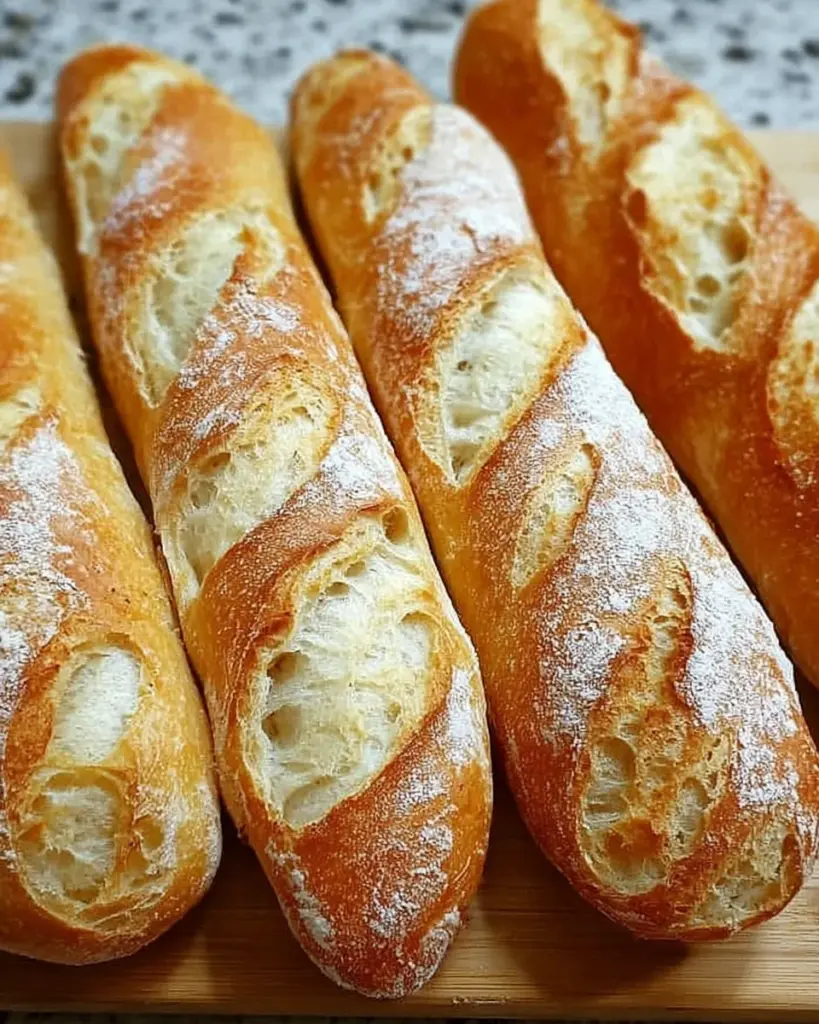
Ah, the aroma of freshly baked bread wafting through the house—there’s truly nothing like it. With my homemade baguette recipe, you’ll find the magic of baking can easily fit into your busy life. Whether you’re impressing guests at dinner or simply enjoying a cozy meal at home, these crusty loaves are a warm hug for your taste buds. Plus, they come together with minimal fuss! I promise, once you take that first warm bite, you’ll feel that tingle of joy and satisfaction in every crusty, chewy morsel.
Why You’ll Love This Homemade Baguette
This homemade baguette is more than just bread—it’s a delightful experience wrapped in golden crust. It’s surprisingly easy, requiring just a few simple ingredients and a bit of your time. You’ll appreciate the speed of the process, especially when you skip the overnight resting if needed. Most importantly, nothing beats the taste of a freshly baked baguette. It’s the perfect answer to a busy day or a special occasion!
Ingredients for Homemade Baguette
Gathering the right ingredients is the first step to crafting your perfect homemade baguette. Here’s what you’ll need:
- All-purpose flour: This is the backbone of your baguette. It provides structure and a light texture.
- Salt: A key player, salt enhances flavor and strengthens the dough. Don’t skip it!
- Sugar: Just a tad adds a touch of sweetness and helps activate the yeast.
- Active dry yeast: The magical component that makes your dough rise! Fresh yeast gives the best results.
- Warm water: This acts like a warm hug for the yeast, helping it bloom and get fizzy. Make sure it’s around 110°F for the best activation!
While these are the essentials, feel free to explore:
- Cornmeal or flour: Dust your baking sheet for easy transfer of your baguettes.
- Optional herbs or spices: Try adding dried herbs like rosemary or garlic powder for a flavor twist.
- Substitutions: If you’re gluten-free, look for a gluten-free all-purpose flour blend; just know it may change the texture slightly.
For exact measurements, check at the bottom of the article where everything is conveniently compiled for printing.
How to Make Homemade Baguette
Now, let’s dive into the delightful process of crafting your homemade baguette. Follow these steps for success, and soon you’ll be pulling warm, crusty loaves from your oven!
Step 1: Prepare the Dough
In a large mixing bowl, start by combining your all-purpose flour, salt, and sugar. Give it a good stir; this ensures even distribution. Meanwhile, in a separate small bowl, sprinkle the active dry yeast into warm water. Let it sit for about 5 to 10 minutes until it becomes foamy and energized. This little fizz indicates that your yeast is excited to work its magic!
Step 2: Knead the Dough
Once the yeast is bubbly, pour it into the dry ingredients. Mix until a shaggy dough forms. Now, it’s time to get your hands a bit floury! Knead the dough on a lightly floured surface for about 8 to 10 minutes. You’ll know it’s ready when it feels smooth and elastic. If you prefer an easier route, a stand mixer with a dough hook works wonders—just mix on medium speed for about 6 to 8 minutes.
Step 3: First Rise
Shape the dough into a ball and place it in a greased bowl. Cover it with plastic wrap or a clean kitchen towel. Now, let it rise at room temperature for 1 to 1.5 hours, or until it doubles in size. This rising time is crucial, as it gives your homemade baguette a delightful texture and flavor.
Step 4: Cold Fermentation
If you have the time, transfer the risen dough to the fridge. Let it rest overnight for 8 to 12 hours. This cold fermentation is like a flavor booster; it deepens the taste and makes the dough much easier to shape later on.
Step 5: Shape the Baguettes
When you’re ready to shape, remove the dough from the fridge. Allow it to come to room temperature for about 30 minutes. Gently turn it out onto a floured surface and divide it into two or three equal pieces. Take each piece and shape it into a rectangle. Fold the long sides toward the center like you’re closing a letter. Pinch the seam shut and gently roll it out into a long rope, about 12 to 14 inches long. Voilà, your baguette is taking shape!
Step 6: Second Rise
Arrange your shaped baguettes on a parchment-lined baking sheet, dusted with cornmeal or flour. Cover them with a clean towel and let them rise for another 45 to 60 minutes, until puffy. This second rise adds that fluffy goodness you’ll love.
Step 7: Baking the Baguettes
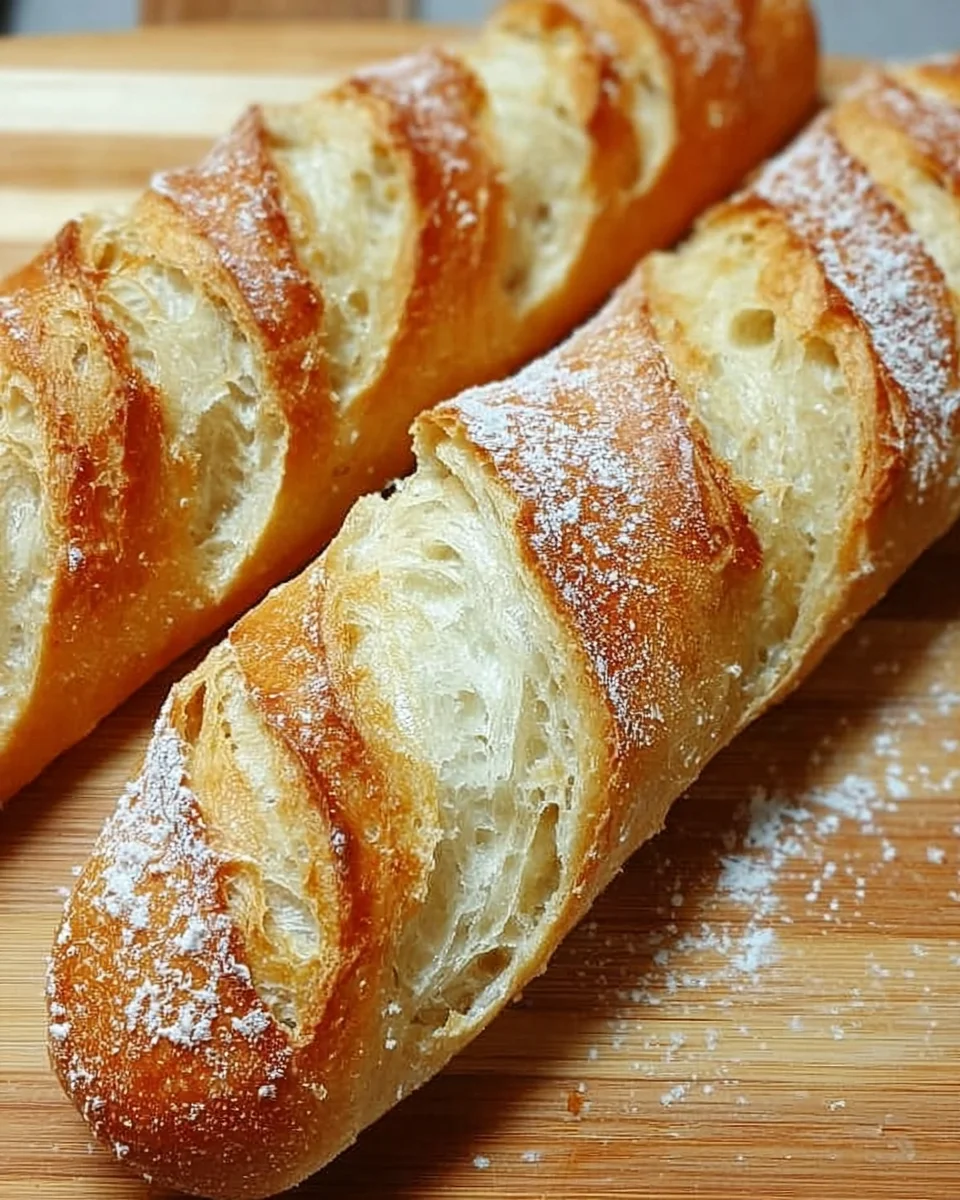
Preheat your oven to 475°F (245°C). Place a cast iron skillet or a metal baking dish on the bottom rack—it’ll help create steam. Once the baguettes are ready, use a sharp knife or lame to make 3 to 4 diagonal slashes on top of each loaf. Just before baking, pour about 1 cup of hot water into the preheated skillet. This step is essential for achieving that beautiful crust! Quickly close the oven door to trap the steam. Bake your baguettes for 20 to 25 minutes, until they’re golden brown and crusty. Once baked, let them cool on a wire rack before slicing. And there you have it—your very own homemade baguettes!

Tips for Success
- Use fresh yeast for the best rise and flavor in your homemade baguette.
- Ensure your water is warm but not too hot; around 110°F is ideal for activating yeast.
- Don’t rush the rise times! Patience leads to fluffier, flavorful bread.
- Keep your work surface lightly floured to prevent sticking while shaping.
- Experiment with flavor by adding herbs or spices to the dough for a tasty twist.
Equipment Needed
- Mixing bowl: A large one for combining ingredients. A glass bowl works beautifully!
- Measuring cups and spoons: Essential for accuracy in your homemade baguette recipe.
- Dough scraper: Helpful for dividing and shaping dough; a spatula works too.
- Baking sheet: A standard one will do, but a pizza stone enhances crust.
- Sharp knife or lame: For scoring your baguettes, ensuring great oven spring.
Variations
- Herb-infused Baguette: Incorporate dried herbs like rosemary, thyme, or oregano into the dough for a burst of flavor.
- Garlic Baguette: Mix in minced garlic or garlic powder to give your baguette a savory edge that pairs well with meals.
- Cheese-stuffed Baguette: Add shredded cheese in the center before shaping for a gooey surprise in every bite.
- Whole Wheat Baguette: Substitute half of the all-purpose flour with whole wheat flour for a heartier version.
- Gluten-Free Baguette: Use a gluten-free all-purpose flour blend; be aware that the texture will differ slightly.
Serving Suggestions
- Pair with soup: Enjoy your homemade baguette alongside a hearty vegetable or creamy tomato soup for a comforting meal.
- Cheese platter: Serve slices with a variety of cheeses, olives, and deli meats for an inviting appetizer.
- Spread some butter: A little salted butter on warm baguette brings sheer bliss.
- Presentation tip: Place sliced baguette in a rustic basket lined with a cloth for a charming touch.
- Wine pairing: Pair with a light white wine like Sauvignon Blanc or a fruity red for an elegant dinner.
FAQs about Homemade Baguette
Can I make homemade baguette without a stand mixer?
Absolutely! You can knead the dough by hand. It might take more effort, but the rewards will be just as sweet. With a bit of patience and enthusiasm, your homemade baguette will turn out fantastic.
What if my dough doesn’t rise?
If your dough isn’t rising, double-check your yeast. It should be fresh and bubbly when activated. Ensure your water isn’t too hot; you’re looking for that cozy 110°F. A comfortable kitchen environment also helps with rising.
How do I know when my baguettes are done baking?
Look for a deep golden-brown color and a crust that’s crisp. You can also tap the bottom of a loaf—if it sounds hollow, it’s ready! Your homemade baguette will be a beautiful sight to behold.
Can I freeze baked baguettes for later?
Yes, you can! Let your baguettes cool completely, then wrap them tightly in plastic. They can be frozen for up to three months. When ready to enjoy, just thaw them at room temperature and reheat in the oven for that fresh-baked taste.
What should I do if my baguettes are too dense?
If your baguettes turn out dense, you may need to let the dough rise longer next time. Adequate rising time introduces air into your dough, leading to that perfect texture. You could also try adding just a bit more water during the kneading process.
Final Thoughts
There’s something deeply satisfying about making your own homemade baguette. It’s not just about the crusty exterior or the chewy interior; it’s about the moments spent in your kitchen, the aroma that fills your home, and the way your family gathers around to enjoy it. Each loaf is a labor of love that brings joy to the table and warmth to your heart. So, roll up those sleeves and give this recipe a try! You might just find that baking baguettes becomes your new favorite adventure, creating delicious memories with every slicing moment.
Print
Homemade Baguette
- Total Time: 2 hours (plus overnight resting)
- Yield: 2-3 baguettes 1x
- Diet: Vegetarian
Description
A simple recipe for homemade baguettes that yields perfect, crusty loaves.
Ingredients
- 3 1/2 cups (420g) all-purpose flour
- 1 1/4 teaspoons salt
- 1 teaspoon sugar
- 1 packet (2 1/4 teaspoons) active dry yeast
- 1 1/2 cups (360ml) warm water (about 110°F / 43°C)
Instructions
- In a large bowl, stir together the flour, salt, and sugar. In a separate small bowl, dissolve the yeast in the warm water and let it sit for 5–10 minutes until foamy.
- Pour the yeast mixture into the dry ingredients and stir until a shaggy dough forms.
- Turn the dough onto a lightly floured surface and knead for about 8–10 minutes until smooth and elastic. Alternatively, use a stand mixer with a dough hook on medium speed for 6–8 minutes.
- Shape the dough into a ball, place it in a lightly greased bowl, and cover with plastic wrap. Let it rise at room temperature until doubled in size — about 1 to 1.5 hours.
- For the best flavor and texture, transfer the risen dough to the fridge and let it rest overnight (8–12 hours).
- Remove the dough from the fridge and let it come to room temperature for about 30 minutes. Gently turn it out onto a floured surface and divide it into two or three equal pieces.
- Shape each piece into a rectangle, then fold the long sides in toward the center like a letter. Pinch the seam closed and gently roll the dough into a long rope, about 12–14 inches long.
- Place the shaped loaves on a parchment-lined baking sheet dusted with cornmeal or flour. Cover with a clean towel and let them rise for another 45–60 minutes until puffy.
- Preheat your oven to 475°F (245°C). Place a cast iron skillet or metal baking dish on the bottom rack to heat up.
- Using a sharp knife or lame, make 3–4 diagonal slashes on each baguette.
- Right before baking, pour about 1 cup of hot water into the preheated skillet to create steam. Quickly close the oven door to trap it.
- Bake the baguettes for 20–25 minutes until golden brown and crusty. Let them cool on a wire rack before slicing.
Notes
- Cold fermentation deepens the flavor and makes the dough easier to work with.
- If short on time, you can skip the overnight resting step for a quicker process.
- Prep Time: 1 hour and 30 minutes (plus overnight resting)
- Cook Time: 25 minutes
- Category: Baking
- Method: Baking
- Cuisine: French
Nutrition
- Serving Size: 1 baguette
- Calories: 200
- Sugar: 1g
- Sodium: 150mg
- Fat: 1g
- Saturated Fat: 0g
- Unsaturated Fat: 0g
- Trans Fat: 0g
- Carbohydrates: 42g
- Fiber: 2g
- Protein: 6g
- Cholesterol: 0mg